
The Hardest Part of Event Planning Isn’t the Idea
When you plan an event, the idea is usually the easy part.
The real chaos starts after that:
- Headcount changes → budget needs recalculating
- Venue changes → timeline falls apart
- Purchase list grows → things get missed
- Excel file v7_final_FINAL.xlsx becomes your reality
For business owners, marketers, HR teams, and founders, event planning quickly turns into a mix of project manager, finance officer, procurement admin, and operations lead—all at once.
The problem isn’t creativity.
The problem is fragmented workflows.
If you could connect:
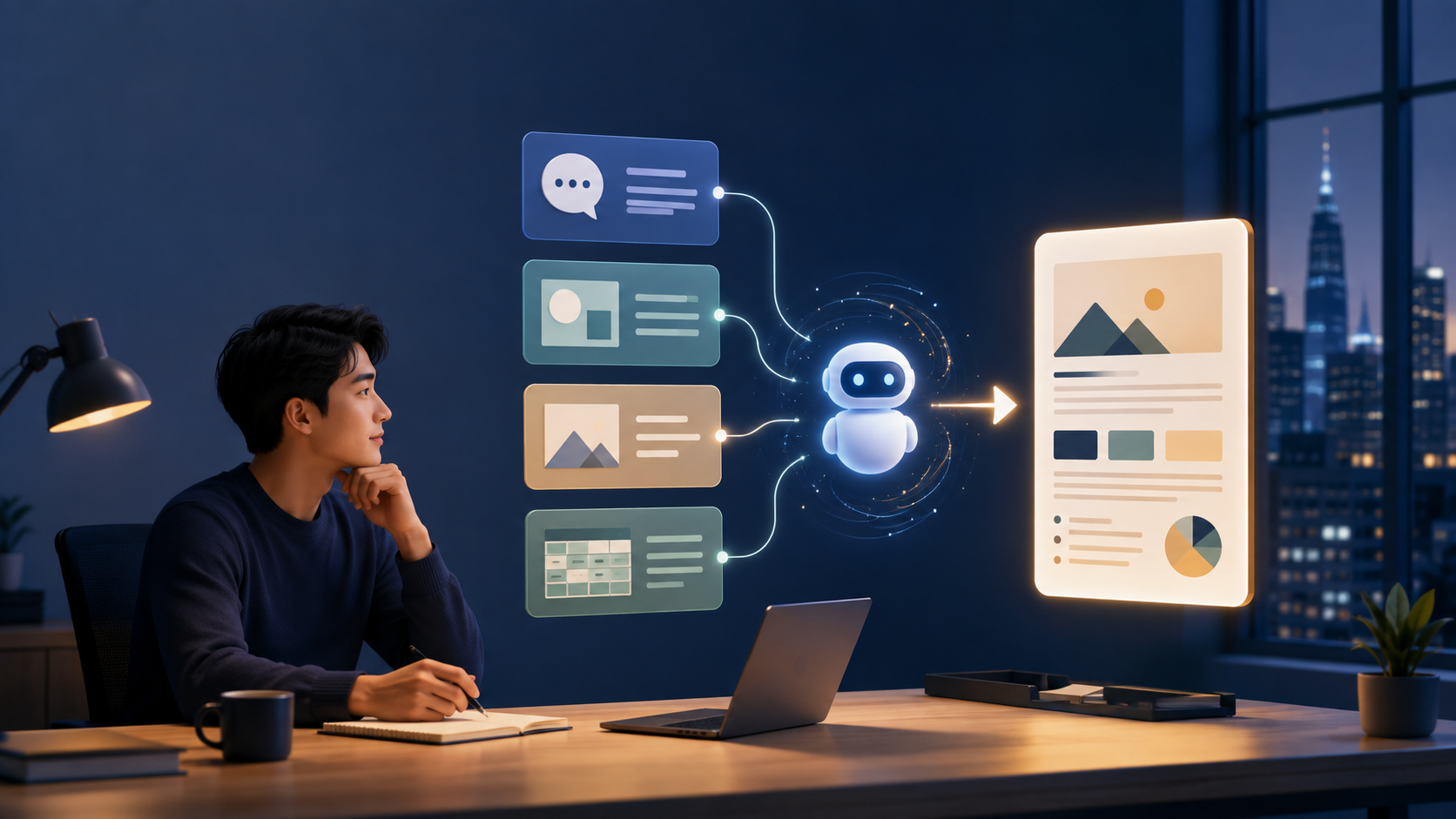
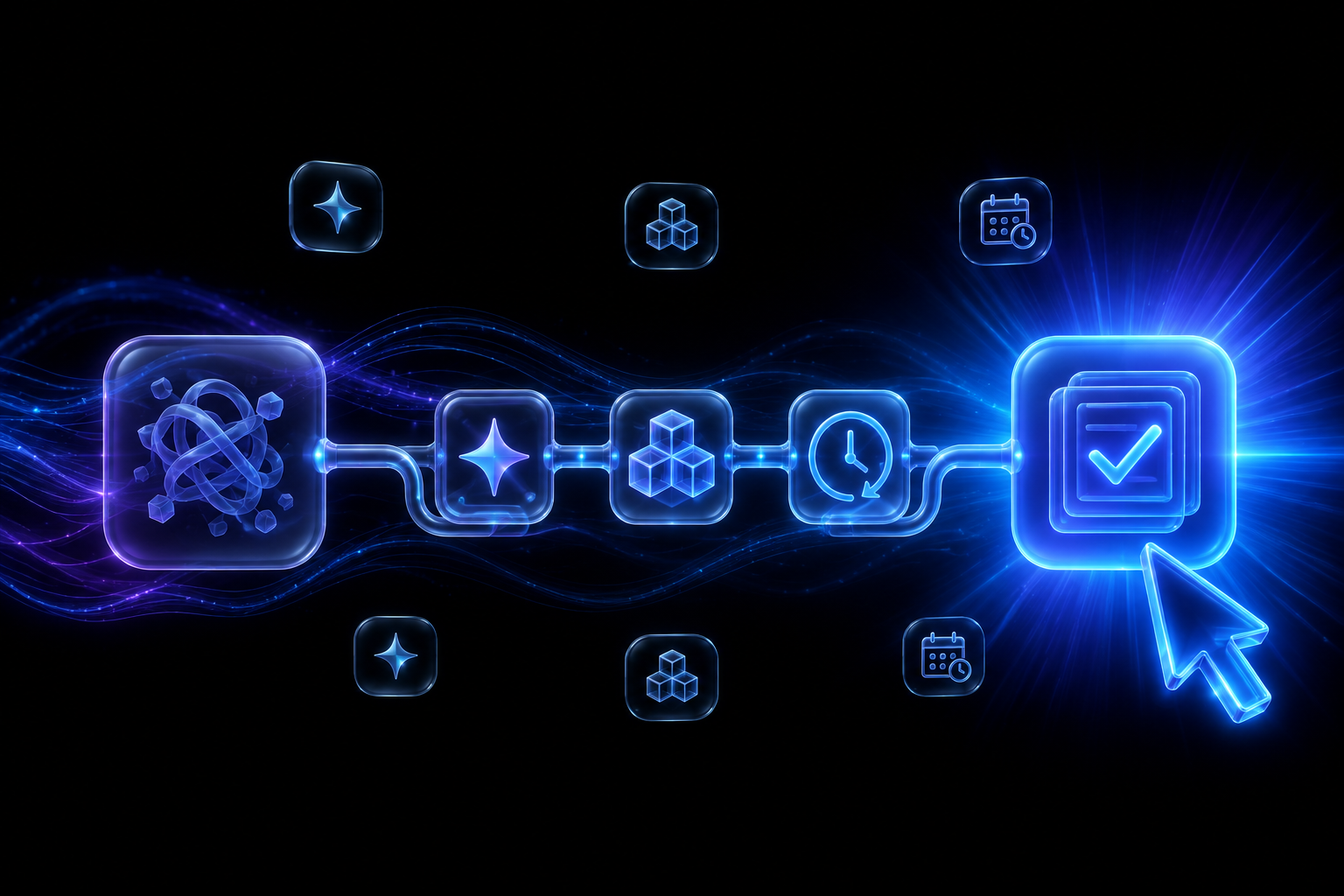
Idea → Agenda → Budget → Purchase List → Task Reminders
into one intelligent AI pipeline, you would stop doing repetitive admin work and start making decisions.
In this guide, we’ll break down a complete AI-powered Event Planning Workflow using:
- Airtable Forms
- Notion AI Templates
- ChatGPT
- Google Calendar
By the end, you’ll know how to automate 70–80% of the operational load behind event planning—without hiring extra staff.
Let’s build the system.
Step 1: Automate Event Requirement Collection
The Problem: Meetings Create Messy Data
Most events start with meetings.
But meetings produce:
- Scattered notes
- Unstructured preferences
- Incomplete budget assumptions
- Conflicting expectations
You then spend hours organizing information before real planning even begins.
The Solution: Structured Intake + AI Idea Generation
Tools:
- Airtable Form or Notion Form
- ChatGPT
Create a standardized event intake form with fields like:
- Estimated number of participants
- Budget range
- Event type (Team Building, Workshop, Corporate Party, Launch Event)
- Preferred dates
- Location constraints
- Special requirements
Once submitted:
- Data is automatically structured in a database
- Feed the structured summary into ChatGPT
- Generate 3–5 tailored event concepts with high-level outlines
What used to take 2 hours of brainstorming can now be done in 10 minutes—with better clarity.
“Structure first. Creativity second. AI thrives on clarity.”
Step 2: Automatically Generate the Event Agenda & Timeline
The Problem: Agendas Break When Conditions Change
You adjust headcount or venue—and suddenly your timeline no longer works.
Manual reformatting wastes hours.
The Solution: Notion AI Dynamic Templates
Create a reusable agenda template in Notion that includes:
- Opening session
- Main activity blocks
- Breaks
- Buffer time
- Backup plans
- Closing
Then use Notion AI to generate a customized schedule based on:
- Event type
- Duration
- Group size
- Venue constraints
Why This Works
- Change group size → regenerate time allocations
- Change venue → AI adjusts flow suggestions
- Duplicate for future events instantly
You move from static documents to dynamic systems.
Step 3: Smart Budget Calculation & Cost Optimization
The Problem: Budgets Spiral Out of Control
Budget mistakes usually happen because:
- Headcount changes aren’t recalculated properly
- Hidden venue fees are missed
- Procurement isn’t categorized clearly
- “Small” items accumulate unnoticed
Solution Part 1: Airtable Formula-Based Budget Tracking
Create fields for:
- Item name
- Category (Venue / Food / Equipment / Materials / Misc)
- Unit cost
- Quantity
- Subtotal (Formula)
- Cost per participant (Formula)
Airtable automatically:
- Calculates subtotals
- Groups by category
- Generates total cost
- Updates instantly when quantities change
This eliminates spreadsheet version chaos.
Solution Part 2: Use ChatGPT for Cost Optimization
Export your categorized budget and ask ChatGPT:
- What are possible cost-reduction alternatives?
- Which items can be rented instead of purchased?
- Can time slots reduce venue costs?
- Are there lower-cost format adjustments?
AI can suggest:
- Off-peak venue booking
- Buffet instead of plated service
- Digital materials instead of printed
- Internal asset reuse
“AI doesn’t just calculate costs—it identifies strategic trade-offs.”
Step 4: Convert Agenda into a Smart Purchase Checklist
The Problem: You Always Forget Something
Even with a detailed agenda, teams often forget:
- Extension cables
- Backup microphones
- Name tags
- Contingency supplies
The gap between planning and procurement creates risk.
The Solution: AI-Generated Procurement Lists
Step-by-step:
- Copy your finalized agenda into ChatGPT
- Prompt: “Convert this agenda into a categorized procurement checklist”
- Ask for sections:
- Essential
- Backup
- Optional
Then import the list into a Notion database template:
- Vendor assigned
- Budget reference
- Order status
- Delivery deadline
- Responsible team member
Now your purchase list is:
- Structured
- Trackable
- Repeatable
For future events, duplicate the template and adjust quantities only.
Step 5: Automated Task Tracking & Reminders
The Problem: Deadlines Slip
Typical issues:
- Venue not confirmed
- Deposit not paid
- Materials not delivered
- Vendor follow-up missed
These aren’t strategic failures—they’re tracking failures.
The Solution: AI-Generated Task Breakdown + Calendar Sync
Using Notion AI:
- Convert your procurement checklist into tasks
- Auto-generate deadlines based on event date
- Assign responsibility
Sync key deadlines to Google Calendar:
- Payment deadlines
- Vendor confirmations
- Final checklist review
- Event rehearsal
You now have an invisible digital project manager.
How to Build Your AI Event Planning Pipeline
Follow this 5-step build sequence:
- Create a standardized intake form
- Build reusable agenda templates
- Set up a formula-based budget database
- Create a procurement checklist template
- Automate task and calendar integration
FAQs
Will AI replace event planners?
No. AI handles repetitive coordination. Humans handle strategy and experience design.
How much time can this save?
Teams typically reduce planning admin time by 50–80%.
Do I need coding skills?
No coding required—just structured system thinking.
What’s the biggest ROI?
Eliminating rework and preventing last-minute procurement errors.
Conclusion: Stop Acting Like an Admin. Start Acting Like a Strategist.
Event planning becomes exhausting when you operate without systems.
But once you connect:
Idea → Agenda → Budget → Procurement → Reminders
into a structured AI workflow, you shift roles:
From reactive admin
To strategic decision-maker.
The future of operational efficiency isn’t working faster.
It’s designing smarter systems.